




"Might As Well Play On A Raspberry Pi": The MiSTer FPGA Community Torn Apart Over AI-Generated Cores
The MiSTer FPGA scene has been going through an identity crisis this summer. The founding principle of this open-source project, which recreates consoles, computers and arcade boards on modern FPGA hardware, is accuracy: every core has traditionally been obtained by painstakingly reverse-engineering the original circuitry. But since July, a wave of new arcade cores, notably Gaelco games using the JTCORES framework, have been generated with the help of artificial intelligence from existing MAME code rather than through classic hardware reverse-engineering.
Jotego raises the alarm again in late July
Developer Jose "Jotego" Tejada, a reference figure in arcade FPGA work and author of the JTCORES framework, posted a scathing message on July 27 outlining three problems he sees with the trend: these cores turn the platform into little more than a "second-class MAME" trying to mimic the software emulator, they drive away human talent capable of real reverse-engineering, and they discourage the hardware research that also benefits video game preservation. A poll run by Time Extension leans heavily in his favor, with roughly 70% of respondents saying AI cores are bad for the project.
On the other side, part of the community accuses critics of gatekeeping an open-source project: for these supporters, AI simply speeds up the arrival of new playable games in a world where waiting months for a human developer to finish a perfect core isn't always realistic. The debate has spilled beyond MiSTer too, reaching the Analogue Pocket, where AI-assisted ports of games like Diablo, Heretic and Wolfenstein 3D have also been reported with uneven performance.
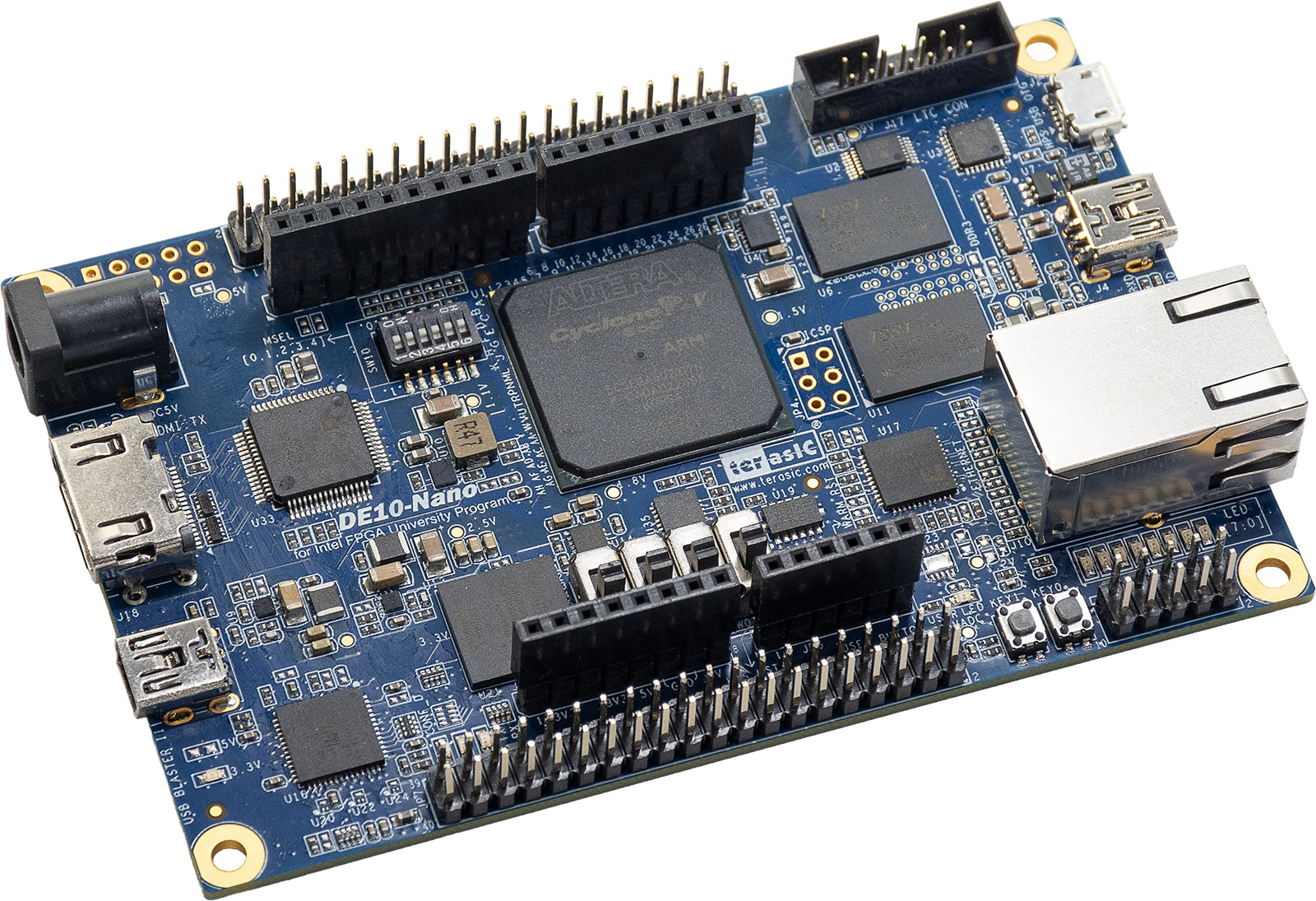
To learn about the hardware at the heart of the project and get started, the MiSTer FPGA Bible remains the go-to guide, while the Terasic DE10-Nano board is the hardware foundation required.
Source: Time Extension