




Prince of Persia Finally Reaches the MSX2 After Years of Development
The MSX2 was one of the last major platforms of its era never to have received Prince of Persia. Jordan Mechner's classic, released in 1989 on the Apple II and then ported to just about everything in existence, had left the Japanese machine out. Belgian developer David Heremans posted the update closing that gap on August 29, 2026: after several years of work, his port is finished and its release is announced for this September 2026.
The audio side explains much of that delay. The initial version relied exclusively on the Y8950, the sound chip found in MSX-AUDIO expansions, which Heremans admits remains rare in real-world setups. He therefore teamed up with Hans Cnossen and musician WYZ to add support for the PSG, present on every MSX machine, along with extra tracks. Players can now mix the two outputs depending on the hardware they own.
The port does more than simply reproduce the original game. It adds an intro sequence inspired by the Mega-CD version, an in-game manual viewer, and a cheat menu that allows skipping levels or altering guard behaviour, handy for anyone who wants to explore the palace without taking the regulation twelve sword hits. Two formats are planned, one digital and one physical.
The project's development thread has been running for years on the msx.org forum dedicated to Prince of Persia, where the author posts his announcements, test builds and download links as they come. It is also where the community details how to run the game on real hardware or on an emulator, the required MSX2 configurations and the sound chip options.
Source: Time Extension
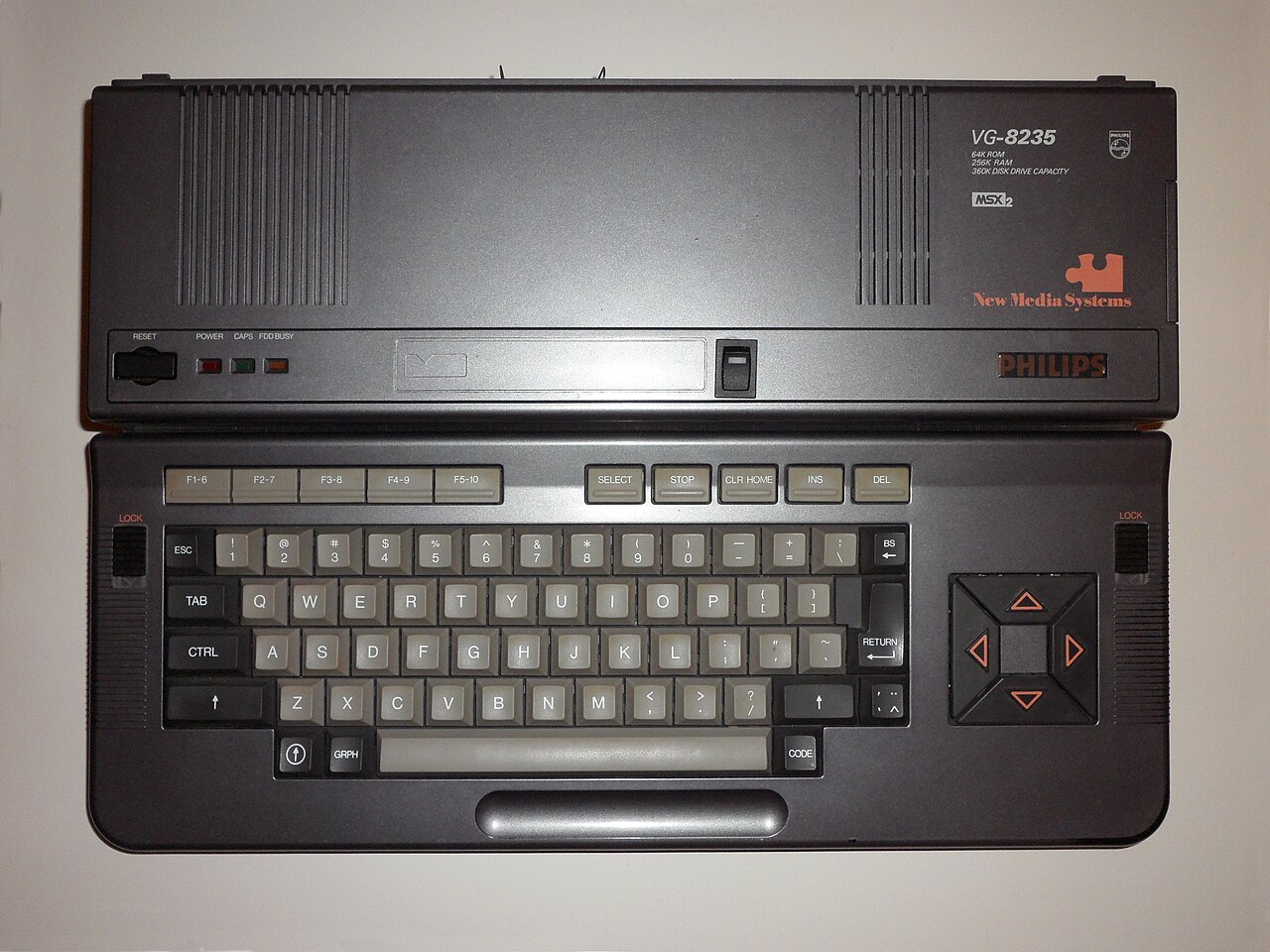
Image credit: “Philips VG-8235 MSX2” by Juanjo Marin, licensed under CC BY-SA 2.0, via Wikimedia Commons (resized).